
Table of Contents
Introduction: Why Your Beard Itches?
Growing a beard looks simple from the outside. You stop shaving, the hair grows in, and eventually you get the beard you wanted.
But most men run into the same problem somewhere along the way.
The beard starts itching.
Sometimes it happens during the first few weeks of growth. Other times it appears months later when the beard is already established. The skin underneath feels irritated, tight, and uncomfortable, and scratching only seems to make it worse.
Many men assume the problem is the beard hair itself. In reality, beard itch almost always comes from what’s happening on the skin underneath.
Facial hair changes the way your skin holds moisture, produces oil, and sheds dead skin cells. Without the right grooming habits, that environment can easily become dry or irritated.
The good news is that beard itch is rarely permanent. Once you understand the most common causes, the solution is usually straightforward.
In most cases, stopping beard itch comes down to fixing dryness, improving beard hygiene, and caring for the skin beneath the beard — not just the hair.
Before looking at the solutions, it helps to understand why beards itch in the first place.An itchy beard is one of the most common problems men face when growing facial hair. It usually starts during the early stages of growth, but it can also happen with longer beards if the skin underneath becomes dry or irritated.
The mistake most men make is treating the beard hair when the real issue is the skin beneath it.
Once you understand what causes beard itch, fixing it becomes much easier.
What Causes an Itchy Beard?
Beard itch usually isn’t caused by just one thing. In most cases, it’s the result of several small issues happening at the same time—dry skin, trapped oils, poor grooming habits, or irritation from growing hair.
Facial hair creates a very different environment for your skin. Once a beard starts growing, it changes how moisture, oil, and dead skin cells behave on your face. If that balance gets disrupted, itching often follows.
Understanding the most common causes makes it much easier to fix the problem and prevent it from coming back.
Dry Skin Under the Beard
The most common reason a beard itches is dry skin underneath the hair.
Your skin naturally produces oil, called sebum, which keeps it hydrated and protected. When a beard grows in, the hair absorbs some of that oil before it reaches the surface of the skin. As a result, the skin can become dry more easily.
Dry skin under a beard can lead to:
- Itching or tightness
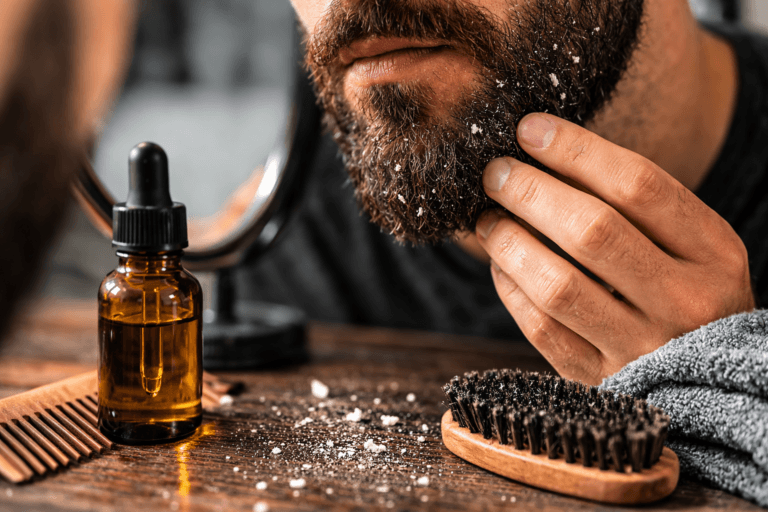
- Flaking or beard dandruff
- Rough or irritated skin
- Small white flakes on the beard or clothing
Several everyday habits can make dryness worse, including:
- Taking very hot showers
- Using harsh soaps or regular shampoo on your beard
- Washing the beard too often
- Living in cold or dry climates
When the skin dries out, it starts shedding dead skin cells more rapidly. Those flakes get trapped in the beard hair, which can create both itching and visible beard dandruff.
This is why many beard problems improve quickly once the skin underneath is properly moisturized.
Early Beard Growth Irritation
Another common cause of beard itch happens during the early stages of beard growth.
When facial hair first starts growing after shaving, the ends of the hairs are still sharp. These short, stiff hairs rub against the surrounding skin and cause irritation.
This stage is often called the “beard itch phase.”
It usually appears during the first:
1–3 weeks of beard growth
During this time, you may notice:
- Constant itching
- A prickly or rough feeling beard
- Mild redness on the skin
The good news is that this type of itch is temporary. As the beard grows longer, the ends of the hairs soften and bend away from the skin, which reduces irritation.
Proper grooming during this stage—especially using beard oil—can make the process much more comfortable.
Ingrown Hairs and Beard Irritation
Ingrown hairs are another common reason a beard becomes itchy, especially for men with coarse, curly, or thick facial hair.
An ingrown hair forms when a beard hair grows back into the skin instead of growing outward. This can happen when the hair curls back on itself or becomes trapped under dead skin cells.
When this happens, the body treats the hair like a foreign object, which can lead to irritation and inflammation.
Common signs of ingrown beard hairs include:
- Small red bumps in the beard area
- Localized itching or tenderness
- A hair trapped under the skin
- Mild swelling or irritation around hair follicles
These bumps can feel similar to acne, but they are actually caused by hairs growing in the wrong direction.
Ingrown hairs are particularly common in areas where men shave frequently, such as the neck and jawline. When shaving cuts the hair at a sharp angle, the growing hair can easily curve back into the skin as it grows.
If dead skin cells build up under the beard, they can also block the hair follicle and trap the hair underneath the surface.
Fortunately, there are several ways to reduce the risk of ingrown hairs.
Regular exfoliation helps remove dead skin cells so beard hairs can grow freely. Using a beard brush or a gentle facial scrub once or twice per week can make a noticeable difference.
Keeping the skin moisturized also helps soften hair follicles, which encourages hairs to grow outward instead of curling back into the skin.
If an ingrown hair does appear, avoid picking or squeezing it. This can irritate the skin further and increase the risk of infection or scarring. Instead, allow the hair to grow out naturally while keeping the skin clean and hydrated.
Over time, maintaining good beard hygiene and grooming habits will significantly reduce the number of ingrown hairs and the itching that comes with them.
Poor Beard Hygiene and Product Build-Up
A beard naturally traps things throughout the day—oil, sweat, dead skin cells, dust, and even small food particles. If the beard isn’t cleaned properly, that buildup can irritate the skin underneath and lead to persistent itching.
Unlike scalp hair, beard hair sits directly on top of the face, where oil glands are very active. These glands produce sebum, which helps keep the skin moisturized. But when oil mixes with sweat and debris, it can clog hair follicles and irritate the skin.
Over time, this buildup can cause several problems:
- Persistent itching under the beard
- Unpleasant odor from trapped oils and sweat
- Increased beard dandruff or flakes
- Irritated or inflamed skin
Many men either don’t wash their beard enough or wash it incorrectly.
Some men rarely wash their beard at all, assuming it cleans itself in the shower. Others make the opposite mistake and wash it every day with regular shampoo or body wash, which can strip away the skin’s natural oils.
Both extremes can lead to itching.
Regular shampoo is designed for the scalp, which produces more oil than facial skin. When used on the beard, these stronger cleansers often dry out the skin underneath and trigger irritation.
The better approach is to wash your beard with a gentle beard cleanser two or three times per week. Beard washes are formulated to remove buildup while preserving the skin’s natural moisture balance.
After washing, it’s also important to dry the beard properly. Leaving a beard damp for long periods can create an environment where irritation and yeast growth develop more easily.
Once beard hygiene improves, many men notice that itching begins to fade within a few days.
How to Stop Beard Itch
The good news about beard itch is that it usually doesn’t require complicated treatments. In most cases, the problem improves quickly once you start taking care of the skin beneath the beard, not just the hair itself.
A simple routine focused on cleanliness, moisture, and gentle grooming can eliminate most irritation and prevent it from coming back.
Here are the most effective ways to stop beard itch.
Wash Your Beard Properly
Washing your beard removes dirt, sweat, and oil buildup that can irritate the skin.
However, washing too often—or using harsh products—can strip away the natural oils your skin needs to stay healthy.
For most men, the best routine is to wash the beard two to three times per week with a gentle beard cleanser. These products are designed to clean facial hair without drying out the skin underneath.
When washing your beard:
- Use warm water, not hot water
- Massage the cleanser down to the skin beneath the beard
- Rinse thoroughly to remove all residue
This keeps the skin clean without damaging its natural moisture balance.
Use Beard Oil Daily
One of the most effective ways to stop beard itch is to keep the skin properly hydrated.
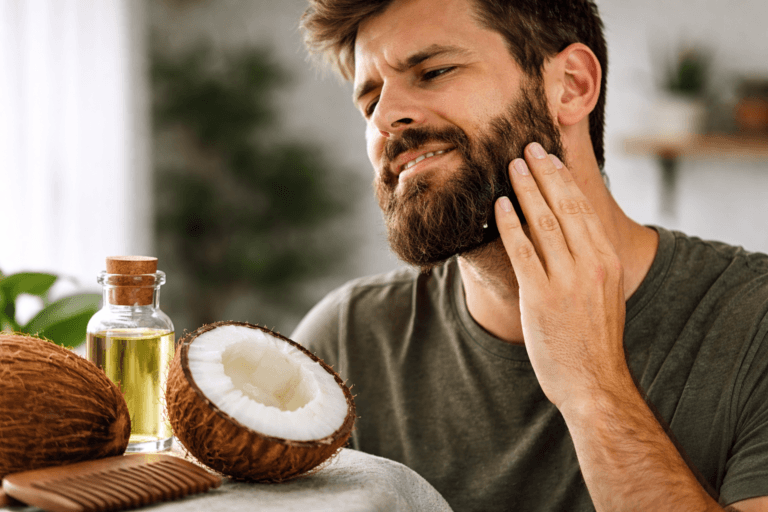
Beard oil works by replacing the natural oils that beard hair tends to absorb. It moisturizes the skin under the beard and softens the hair itself, which reduces friction and irritation.
Many beard oils contain ingredients that closely mimic natural skin oils, such as:
- Jojoba oil
- Argan oil
- Sweet almond oil
- Grapeseed oil
Applying a few drops each day can make a noticeable difference.
The best time to apply beard oil is after a shower, when the skin is slightly damp and able to absorb moisture more easily. Massage the oil gently into the beard so it reaches the skin underneath.
Brush Your Beard Regularly
Brushing your beard does more than improve its appearance—it also helps keep the skin healthy.
Using a beard brush helps:
- Distribute natural oils evenly
- Remove dead skin flakes
- Prevent tangles and knots
- Stimulate healthy oil production in the skin
A boar bristle beard brush is usually the best option, especially for shorter beards. The bristles are firm enough to reach the skin while still being gentle on the hair.
Brushing once or twice per day can help reduce dryness and itching.
Exfoliate the Skin Under Your Beard
Dead skin cells naturally build up beneath facial hair. If they aren’t removed, they can clog hair follicles and trap beard hairs, which leads to irritation and itching.
Exfoliation helps remove this layer of dead skin so the beard can grow more comfortably.
There are two simple ways to exfoliate under a beard:
- Using a beard brush to gently loosen dead skin
- Applying a mild facial scrub once or twice per week
Gentle exfoliation also reduces the risk of ingrown hairs, which are another common cause of beard irritation.
Avoid Very Hot Showers
Hot water may feel relaxing, but it can strip away the natural oils that protect your skin.
When these oils are removed, the skin becomes dry and irritated much more easily. This often leads to itching under the beard.
Switching to warm water instead of very hot water can help preserve your skin’s natural moisture and reduce dryness.
Be Patient During the Growth Phase
If your beard itch started during the early stages of growth, it may simply be part of the process.
Short beard hairs can feel stiff and prickly when they first grow in. As the beard becomes longer, the hair softens and begins to bend away from the skin.
During this phase, consistent grooming—especially using beard oil—can make the growth period much more comfortable.
For most men, this stage improves significantly within two to three weeks.
How Long Does Beard Itch Last?
How long beard itch lasts depends on what’s causing it. For many men, the itching is temporary and improves quickly once the skin adapts to growing facial hair or receives proper care.
If the itch happens during the early beard growth stage, it usually appears within the first few days after shaving and lasts for about one to three weeks. This phase occurs because newly growing beard hairs are short and stiff. The sharp edges of the hair rub against the skin, creating a prickly feeling that leads to irritation.
As the beard grows longer, the ends of the hairs become softer and begin to bend away from the skin. Once this happens, the irritation usually fades on its own.
However, beard itch can last longer if the underlying problem is dry skin, poor grooming habits, or product irritation. When the skin under the beard becomes dry, it may continue to itch until moisture levels are restored. In these cases, adding beard oil and adjusting your washing routine can often bring relief within a few days to a week.
If itching is caused by conditions like beard dandruff or seborrheic dermatitis, the symptoms may take a little longer to improve. Consistent use of appropriate treatments—such as moisturizing products or medicated cleansers—usually reduces symptoms within two to three weeks.
Persistent itching that does not improve after several weeks may indicate a more serious skin condition. If the beard area develops severe redness, swelling, or thick flakes, it may be helpful to consult a dermatologist for proper diagnosis and treatment.
For most men, though, beard itch is simply part of the learning curve of growing facial hair. Once you establish a consistent grooming routine and keep the skin hydrated, the problem usually disappears and becomes much easier to manage.
When to See a Doctor for an Itchy Beard
Most cases of beard itch are mild and improve once you start taking better care of the skin underneath your beard. Adjusting your grooming routine, moisturizing the skin, and keeping the beard clean usually solves the problem within a few weeks.
However, there are situations where persistent itching may be a sign of an underlying skin condition that requires medical treatment.
You may want to consider seeing a dermatologist if you notice symptoms such as:
- Severe redness or inflammation under the beard
- Painful bumps or swelling around hair follicles
- Thick yellow or greasy flakes that don’t improve with regular grooming
- Patches spreading beyond the beard area
- Persistent itching that lasts several weeks or longer
These symptoms may indicate conditions such as seborrheic dermatitis, fungal infections, folliculitis, or eczema.
A dermatologist can examine the skin and recommend appropriate treatments, which may include medicated shampoos, topical creams, or antifungal treatments depending on the cause.
It’s also important to avoid aggressively scratching an itchy beard. Constant scratching can irritate the skin further and may lead to small cuts, infections, or scarring.
In most cases, though, beard itch is simply a temporary problem caused by dryness or irritation. With consistent care and the right grooming habits, the skin under your beard usually returns to a healthy balance and the itching fades over time.
The Bottom Line
An itchy beard is extremely common, especially during the early stages of beard growth or when the skin underneath becomes dry and irritated.
In most cases, the problem isn’t the beard hair itself—it’s the skin beneath the beard that needs attention. Facial hair changes how the skin holds moisture and sheds dead skin cells, which can easily lead to itching if the beard isn’t cared for properly.
The good news is that beard itch is usually easy to fix. A simple routine that includes gentle washing, moisturizing with beard oil, regular brushing, and occasional exfoliation can quickly restore balance to the skin and reduce irritation.
If the itch occurs during the first few weeks of growth, it often improves naturally as the beard becomes longer and the hairs soften.
For most men, maintaining consistent beard care is enough to keep itching under control and maintain a healthy beard. When the skin underneath stays clean and hydrated, beard itch rarely becomes a long-term problem.
FAQ: Itchy Beard
Why does my beard itch so much?
Beard itch usually happens because the skin underneath the beard becomes dry or irritated. When facial hair grows, it absorbs some of the natural oils your skin produces, which can leave the skin underneath dehydrated.
Other common causes include poor beard hygiene, ingrown hairs, product buildup, or skin conditions like beard dandruff. Once the skin is properly cleaned and moisturized, the itching usually improves.
Is beard itch normal when growing a beard?
Yes, beard itch is very common during the early stages of beard growth.
When the beard first starts growing, the short hairs are stiff and can irritate the surrounding skin. This stage typically lasts one to three weeks. As the beard grows longer, the hair softens and the irritation usually fades.
Using beard oil during this stage can make the growth phase much more comfortable.
Does beard oil stop beard itch?
Beard oil is one of the most effective ways to reduce beard itch.
It helps replace the natural oils that beard hair absorbs and keeps the skin underneath hydrated. Oils such as jojoba oil, argan oil, and almond oil closely mimic the skin’s natural oils and can quickly reduce dryness and irritation.
Applying beard oil daily—especially after showering—often helps relieve itching within a few days.
How long does beard itch last?
For most men, beard itch lasts one to three weeks during the early beard growth phase. This is when the hairs are short and stiff.
If the itching is caused by dry skin or poor grooming habits, it can improve within a few days to a week once you start moisturizing and washing your beard properly.
Persistent itching that lasts several weeks may indicate beard dandruff or another skin condition.
Should you wash your beard every day if it itches?
Washing your beard every day is usually not necessary and can sometimes make itching worse.
Overwashing can strip the skin of its natural oils, leading to dryness and irritation. Most men benefit from washing their beard two to three times per week with a gentle beard cleanser.
On non-wash days, applying beard oil and brushing the beard can help keep the skin balanced.
Can an itchy beard mean beard dandruff?
Yes, an itchy beard is often linked to beard dandruff. When dead skin cells build up under facial hair, they can cause flakes and irritation.
If you notice white or yellow flakes along with itching, beard dandruff may be the cause. Proper washing, moisturizing with beard oil, and gentle exfoliation can usually help control the problem.
👉Want to reclaim your life?
Join The Honest Masculine Newsletter, and I’ll send you The Masculine Comeback — a short 7-day reset for men who feel lost and tired of pretending they’re fine.
If that sounds like you, you already know what to do.