
A Psychology-Informed Explanation Based on Real Relationship Dynamics
What Makes a Women Lose Attraction?
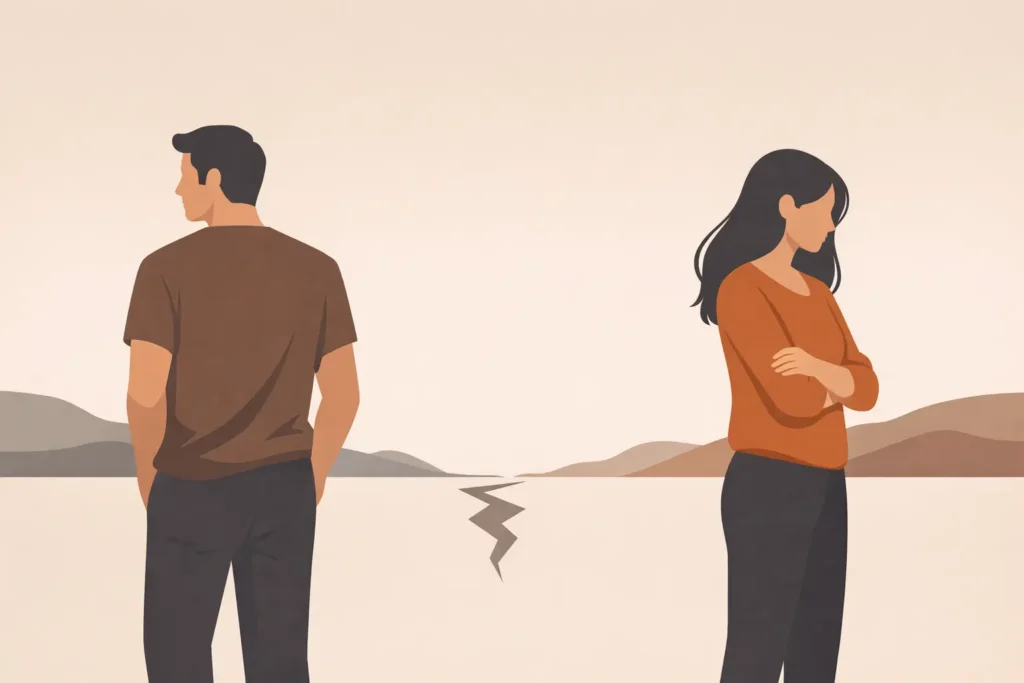
Attraction rarely disappears all at once. In most relationships, it fades quietly, shaped by small behavioral shifts that accumulate over time. While dating advice often focuses on tactics, appearance, or confidence tricks, research and lived experience point to deeper causes rooted in emotional regulation, autonomy, and relational balance.
Women typically lose attraction when a relationship dynamic changes in ways that reduce respect, polarity, or emotional safety. This does not mean a man has failed as a person. It usually means the structure of the relationship has shifted in subtle but important ways.
Understanding these patterns allows men to correct course without manipulation, resentment, or self-betrayal.
One of the most common contributors to declining attraction is the gradual loss of personal direction. Numerous studies in relationship psychology show that individuals are most attracted to partners who maintain a sense of purpose independent of the relationship. When a man’s goals, routines, and emotional wellbeing begin to revolve primarily around his partner, the relationship can start to feel like a responsibility rather than a choice.
This often happens unintentionally. A man may deprioritize friendships, abandon personal ambitions, or restructure his life entirely around the relationship in an effort to be present and committed. Over time, however, this shift can signal emotional dependency rather than partnership. Attraction thrives when both people feel they are choosing each other from a place of fullness, not need.
Another major factor is emotional reactivity. Emotional openness is healthy and necessary in close relationships, but there is a critical difference between openness and emotional dysregulation. Research on attachment styles consistently shows that attraction decreases when one partner struggles to self-regulate under stress.
When conflict arises, women tend to feel less attracted when a man becomes defensive, overwhelmed, or emotionally volatile. This does not mean suppressing emotions or becoming distant. It means being able to experience emotion without being overtaken by it. Calm presence during tension builds trust and stability, both of which support attraction over time.
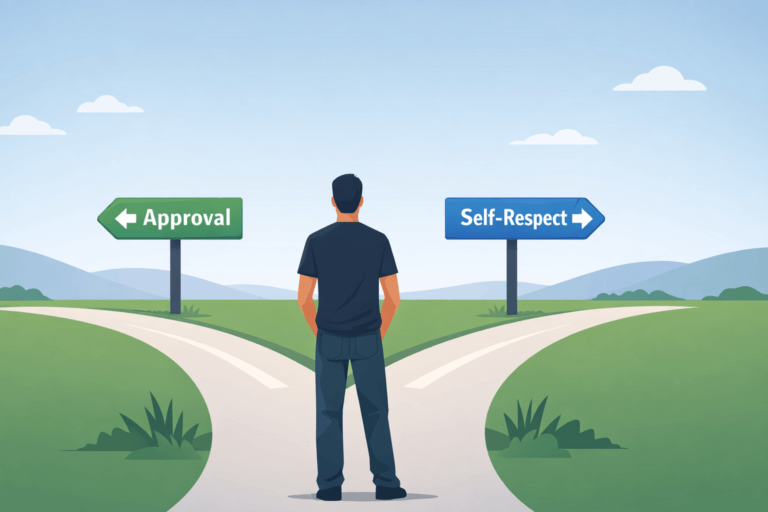
In my full article on Relationships in 2026 I break down the exact scripts men can use to say no without guilt.
Boundaries also play a central role. Healthy boundaries communicate self-respect and clarity. When a man repeatedly avoids conflict, tolerates disrespect, or overrides his own limits to maintain harmony, the relationship dynamic shifts. Instead of mutual respect, a pattern of accommodation emerges.
From a psychological perspective, inconsistent or weak boundaries create confusion about roles and expectations. Over time, this erodes respect, and attraction rarely survives without respect. Boundaries are not about control or rigidity. They are about consistently aligning behavior with values, even when doing so creates discomfort.
Another common issue is overinvestment before mutual commitment has formed. Attraction depends heavily on balance. When one person invests significantly more emotional energy, time, or effort early on, it can create pressure rather than closeness. Behavioral research suggests that relationships develop best when investment increases gradually and reciprocally.
Men often overinvest out of fear of loss or a desire to prove worth. Unfortunately, attraction cannot be earned through excess effort. It grows when interest and investment are mutual and unforced. When effort becomes compensation rather than expression, desire tends to decline.
Loss of polarity is another factor that frequently goes unrecognized. Polarity does not require rigid gender roles, but it does require clarity. In healthy relationships, there is usually a sense that someone can hold steady during uncertainty, take responsibility during stress, and provide direction when needed.
When a man consistently defers decisions, avoids leadership in shared life matters, or seeks constant reassurance, the relational dynamic can begin to feel unstable. Attraction often fades not because of a lack of kindness or equality, but because of a perceived absence of grounded direction.
Physical and mental self-care also influence attraction, though not in the superficial way often portrayed online. Research shows that attraction is less about dramatic changes in appearance and more about visible disengagement from life. Chronic fatigue, low motivation, unmanaged stress, and neglect of health subtly signal a loss of self-respect. Over time, these signals affect how a partner perceives vitality and presence.
Self-care communicates that a person values themselves and their life. That message reinforces attraction far more than any specific physical trait.
When attraction is sustained over the long term, it is usually because a man maintains self-leadership. He has an identity that exists beyond the relationship. He regulates emotions without suppressing them. He sets boundaries calmly and consistently. He matches investment rather than overextending. He leads his own life with clarity and responsibility. He takes care of his physical and mental health as an act of respect, not vanity.
None of this requires manipulation or dominance. It requires alignment.
Attraction is rarely lost because a man is not good enough. More often, it fades when he disconnects from himself in an effort to preserve the relationship. Ironically, the behaviors meant to hold attraction in place are often the ones that undermine it.
Strong relationships are built when two people stand on solid ground individually and choose each other freely. That dynamic supports attraction not through effort, but through presence.
If you want, I can now refine this for featured snippets, add EEAT author signals, optimize internal linking for a content cluster, or rewrite it for a specific keyword like “why women lose attraction in relationships.”
👉Want to reclaim your life?
Join My Newsletter The Honest Masculine weekly newsletter — and you’ll get instant access to my (The Masculine Comeback: A 7-Day Reset for Men Who Feel Lost). No fluff, no filters. Just raw truths about breakups, masculinity, fatherhood, and the quiet battles men face alone.
It’s for the man who’s done pretending.
If you like my content? Let me know by Buying me a coffee. Thanks 🙂
This pattern is part of why modern relationships no longer benefit men the way they once did.


[…] increase attraction. In most cases, it reduces trust and emotional interest. What can increase attraction is emotional independence, balanced communication, and the absence of neediness. These behaviors […]
[…] attraction were as simple as confidence, kindness, and good communication, men wouldn’t be typing this into […]