
Here’s What That Really Says About Modern Relationships
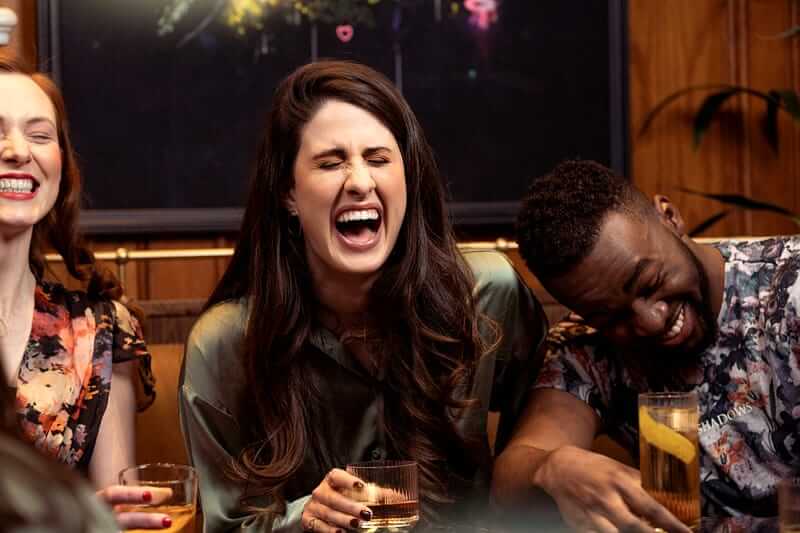
Photo by OurWhisky Foundation on Unsplash
When Amy Schumer joked “line up boys” after filing for divorce from Chris Fischer, most people laughed.
That’s what you’re supposed to do.
Humor makes things easier. Cleaner. Less awkward. In modern relationships, it’s often treated as a sign of strength — proof that someone has “moved on.”
But beneath the joke is something worth paying attention to — especially if you’ve ever been on the other side of a breakup, watching someone move on faster than your nervous system can keep up.
This isn’t about Amy Schumer.
It’s about what her reaction represents in breakup psychology and what it reveals about why relationships fail today.
Humor Is the Adult Version of Emotional Armor
Joking after a divorce isn’t strength.
It’s control.
In breakup psychology, humor often functions as emotional armor — a way to stay regulated while avoiding what hasn’t been processed yet.
When you laugh first, you decide the tone.
You get to frame the story before anyone else does.
You reduce emotional exposure.
The message it sends is subtle but powerful:
“I’m fine.”
“I’m not broken.”
“This didn’t hurt me.”
Sometimes that’s true.
But just as often, humor is a coping mechanism — a socially acceptable way to practice emotional avoidance in relationships.
Modern culture rewards this behavior.
Pain is acceptable — as long as it’s entertaining.
Grief is fine — as long as it’s ironic.
Sit quietly with loss?
Process it slowly?
Admit confusion or emotional detachment?
That doesn’t trend.
The Fast Reset Is the New Virtue
We’ve quietly turned moving on too fast after divorce into a moral achievement.
If you don’t bounce back quickly, something must be wrong with you.
If you sit with the loss too long, you’re labeled bitter, stuck, or resentful.
So people rush the recovery.
They joke.
They rebrand.
They signal readiness.
Not because they’re healed — but because modern relationships leave very little room for visible uncertainty.
From a psychological standpoint, this creates a dangerous pattern: post-divorce behavior that prioritizes appearance over integration.
It looks like resilience.
But often it’s just unacknowledged emotional detachment after a breakup.
What Men Notice (But Aren’t Allowed to Say)
For many men watching moments like this, there’s a familiar ache under the surface.
It’s the feeling of being replaceable.
Of watching someone emotionally detach, publicly reset, and socially re-enter the market with applause — while you’re still trying to make sense of the loss.
This experience shows up repeatedly in research and lived experience around how men process breakups differently.
You’re not imagining it.
And you’re not weak for feeling it.
What hurts isn’t the joke.
It’s the realization that modern relationships often end without shared gravity — without pause, reckoning, or acknowledgment of what was built.
Just… next.
That sense of disposability is one of the quiet reasons why divorce feels easier now, even when the emotional cost remains high.
The Quiet Truth No One Likes
Not every breakup needs to be dramatic.
But meaningful relationships don’t end cleanly.
When a long-term relationship feels disposable at the end, it usually was — at least to one side.
That doesn’t mean you failed.
It means you likely stayed emotionally invested longer than the culture encourages — especially in an era where emotional detachment after long relationships is normalized and even praised.
Understanding why modern relationships end quickly requires acknowledging this imbalance.
What Actually Helps You Heal (Not What Looks Good Online)
Real recovery isn’t loud.
It doesn’t clap back.
It doesn’t announce readiness.
It doesn’t perform strength.
Healthy healing after a breakup does three unglamorous things:
It allows the loss to matter.
It accepts that replacement doesn’t equal healing.
It rebuilds identity before seeking validation.
None of this looks impressive online.
None of it signals instant confidence.
But from a mental health and relationship psychology perspective, this is what prevents emotional avoidance from turning into long-term numbness.
The Lesson Worth Taking
Don’t measure your healing by how fast you can joke about it.
Measure it by how little you need to perform being okay.
If you’re still quiet about it — good.
If you’re still sorting it out — normal.
If you didn’t bounce back on schedule — human.
And if someone else laughs their way through the ending?
Let them.
You don’t need to win the breakup.
You don’t need to prove resilience.
You don’t need to rush the reset.
You just need to stop abandoning yourself to look unaffected.
That’s where real strength actually starts — not in performance, but in honest breakup recovery, emotional integration, and refusing to treat meaningful relationships as disposable.
In my full article on Relationships in 2026 I break down the exact scripts men can use to say no without guilt.
👉Want to reclaim your life?
Join My Newsletter The Honest Masculine weekly newsletter — and you’ll get instant access to my (The Masculine Comeback: A 7-Day Reset for Men Who Feel Lost). No fluff, no filters. Just raw truths about breakups, masculinity, fatherhood, and the quiet battles men face alone.
It’s for the man who’s done pretending.
Frequently Asked Questions About Breakup Psychology
Why do people joke after a breakup?
In breakup psychology, humor is often a coping mechanism. Joking creates emotional distance from pain and helps a person regain a sense of control over the narrative. While it can be healthy in moderation, humor is sometimes used to avoid fully processing loss, especially when grief feels socially uncomfortable or unsafe to express.
Is moving on quickly after a breakup healthy?
Moving on quickly isn’t automatically healthy or unhealthy. In some cases, emotional detachment happened long before the breakup, so the recovery appears fast. In other cases, moving on too quickly can signal emotional avoidance — replacing connection before the loss has been integrated. Long-term healing depends less on speed and more on whether the emotions were actually processed.
Why do modern relationships seem to end so easily?
Many modern relationships are built around emotional fulfillment rather than long-term endurance. When feelings change, people often interpret that as failure instead of transition. This contributes to why relationships fail today — not because people care less, but because commitment has become more conditional and less resilient to discomfort.
Why do breakups feel more disposable now?
Breakups often feel disposable because modern culture emphasizes quick recovery, self-reinvention, and emotional independence. Public narratives reward appearing unaffected, which minimizes shared grief and closure. Over time, this can make meaningful relationships feel interchangeable, even when the emotional impact is significant.
How do men typically process breakups differently?
Men often process breakups more privately and with fewer emotional outlets. Many suppress grief to appear strong or composed, which can delay healing. This is why emotional detachment after a breakup may look calm on the surface while unresolved feelings remain underneath. Processing loss openly and intentionally is critical for long-term recovery.
What actually helps healing after a breakup?
Research and lived experience in breakup psychology suggest that healing comes from allowing the loss to matter, resisting the urge to immediately replace the relationship, and rebuilding identity before seeking validation. Quiet reflection, structure, and emotional honesty are more effective than performative confidence or rushed resets.
Is emotional detachment after a breakup a bad thing?
Emotional detachment isn’t inherently bad. It can be a natural phase of recovery. However, when detachment becomes avoidance — blocking reflection, grief, or accountability — it can lead to emotional numbness and repeated relationship patterns. Healthy detachment still allows room for understanding and integration.